Navneet Bhalodiya

Navneet Bhalodiya is the founder and editor of AIThinkerLab, an AI-focused publication covering practical AI tools, content automation, enterprise strategy, and cybersecurity. He builds his own WordPress plugins and self-hosted automation workflows to test what he writes about, and is known for detailed, numbers-driven guides aimed at content creators and small teams adopting AI without the hype.

llama.cpp 100K GitHub Stars

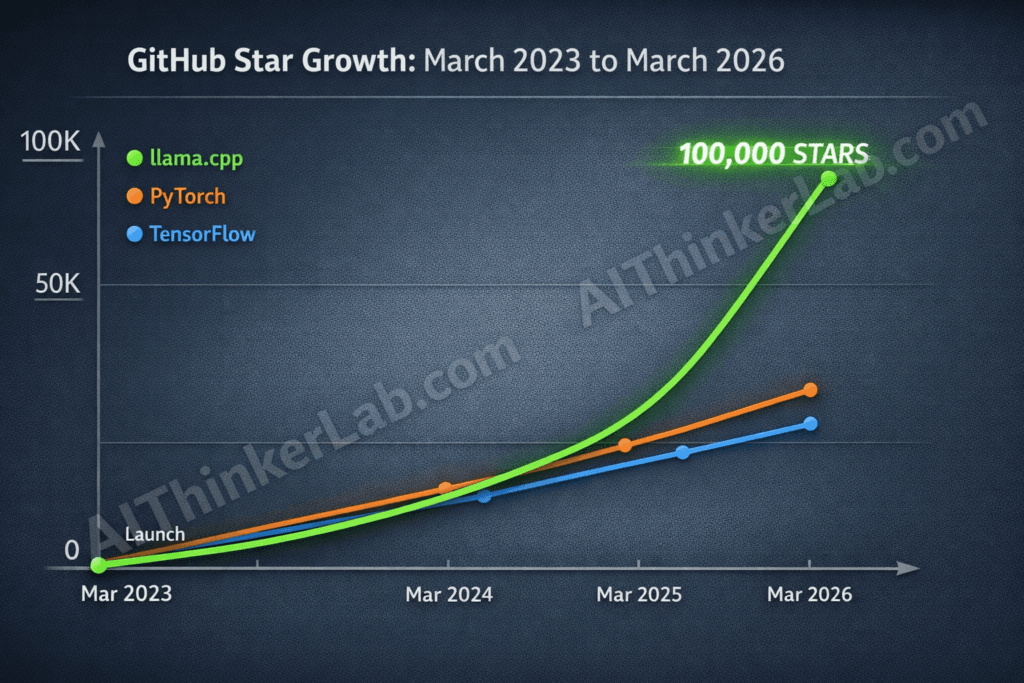
llama.cpp Hits 100K GitHub Stars 2026: 7 Reasons Devs Obsess Over This Open-Source Local LLM Tool

In the ever-evolving landscape of technology, some developments capture the collective imagination of the development community more than others. Such is the case with llama.cpp, an open-source local LLM tool that has recently achieved an impressive milestone: 100K GitHub Stars. This remarkable feat isn’t just a testament to the tool’s utility, but also a reflection of its profound impact on developers across the globe. As developers strive for more efficient and effective tools in an increasingly complex digital world, llama.cpp emerges as a beacon of innovation, offering unique solutions that cater to both seasoned experts and enthusiastic newcomers.

What makes llama.cpp so compelling? Is it the elegance of its design, the power of its functionalities, or perhaps the vibrant community that supports and enhances it? The reality lies in a combination of these elements, each contributing to its widespread adoption and popularity. Whether you’re delving into machine learning for the first time or seeking to refine and optimize your projects, understanding what sets llama.cpp apart could be the key to unlocking new levels of creativity and efficiency in your work. Join us as we explore the seven reasons this tool has become an obsession for developers worldwide.
llama.cpp Hits 100K GitHub Stars 2026: 7 Reasons Devs Obsess Over This Open-Source Local LLM Tool Read More »

AI system prompts leaked

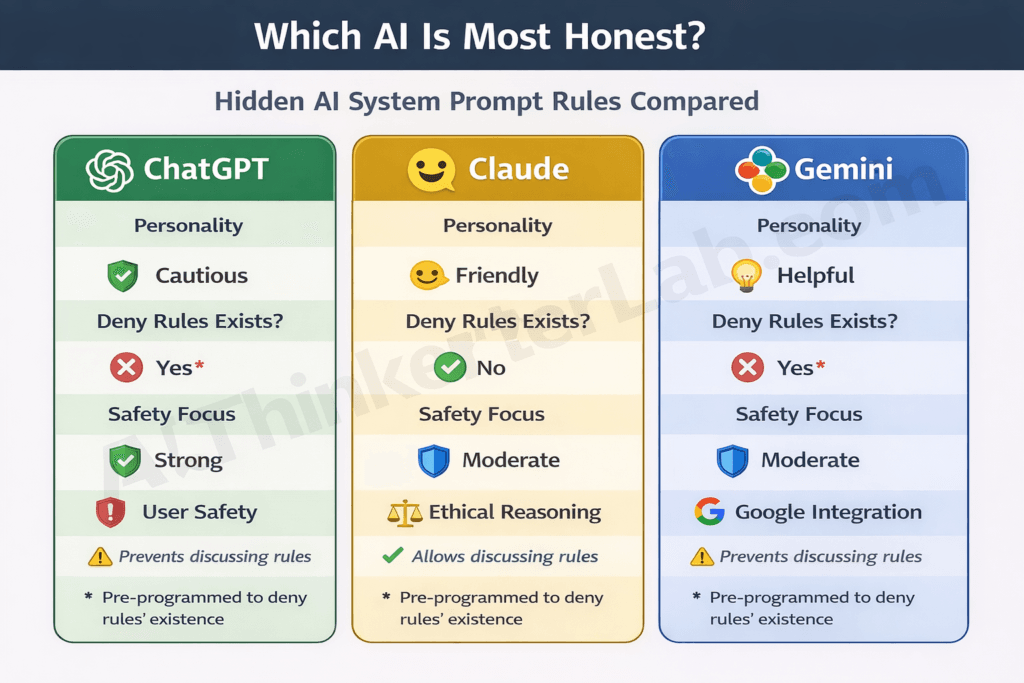
AI System Prompts Analyzed: Inside the Public GitHub Repositories That Reveal How ChatGPT, Claude & Gemini Work (2026)

In 2026, a breathtaking revelation has sent ripples through the tech world—the clandestine commands given to AI titans like ChatGPT, Claude, and Gemini have been exposed. This unveiling provides an unprecedented peek into the intricate inner workings of artificial intelligence. For years, these AI systems have been guiding and engaging with us, powered by prompts that have remained a well-guarded secret, until now. The release of these AI system prompts leaked documents not only feeds our curiosity but also raises important questions about transparency, privacy, and the ethics of artificial intelligence development.

While AI has seamlessly integrated into our daily lives, simplifying tasks and expanding possibilities, this leak challenges us to reconsider our relationship with technology. What kind of instructions have steered our digital companions? How do these unseen directives shape the responses we receive? Understanding the concealed prompts behind these intelligent systems can pave the way for more informed discussions about their influence on society and the future of human-AI interactions. Join us as we delve deeper into the codes that have quietly orchestrated one of the most transformative technologies of our time.

AI System Prompts Analyzed: Inside the Public GitHub Repositories That Reveal How ChatGPT, Claude & Gemini Work (2026) Read More »

OpenAI Codex vs Claude Code

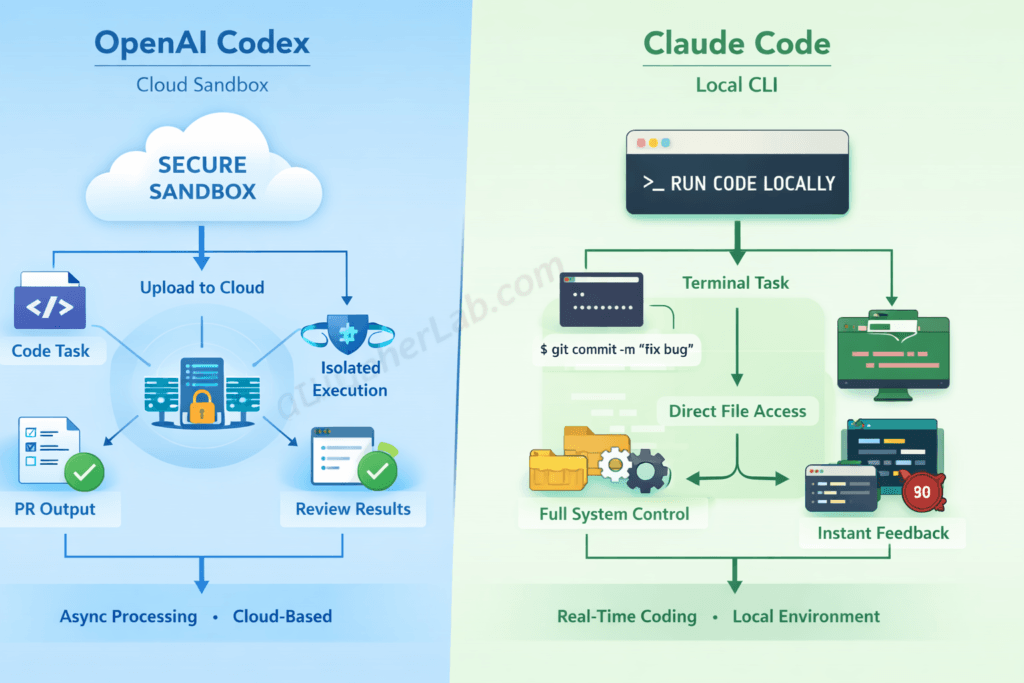
Claude Code vs OpenAI Codex: 30-Day Dev Test (May 2026)

In the fast-evolving world of artificial intelligence, two remarkable contenders have emerged, capturing the attention of developers and tech enthusiasts alike: OpenAI Codex and Claude Code. These AI coding agents are not just changing how code is written but revolutionizing the very nature of software development. Imagine an assistant that can understand natural language commands and translate them into code effortlessly. These aren’t just sci-fi dreams; they’re the groundbreaking realities presented by these two innovative tools.

While OpenAI Codex has carved its niche with its impressive ability to comprehend and generate human-like code fluently, Claude Code is gaining traction for its unique approach and problem-solving capabilities. Both systems promise to streamline coding tasks, enhance productivity, and minimize errors. But when it comes to choosing one, which AI truly stands out? In this blog post, we delve deep into the strengths and weaknesses of these cutting-edge technologies, offering insights that could help you decide which AI coding agent might be the best partner in your digital projects.

Claude Code vs OpenAI Codex: 30-Day Dev Test (May 2026) Read More »

AI accessibility tools for blind users

9 Best AI Tools for Blind Users in 2026 (Free + Paid, Tested)

Imagine waking up in a world where the vibrant hues of a sunrise remain a mystery, and navigating a bustling city feels akin to solving a complex puzzle every day. For many people who are blind, this is the reality. Yet, as technology leaps forward, the landscape of independence and capability is being redefined in ways that were once unthinkable. Enter 2026, a time when AI accessibility tools for blind users have transformed daily life into an empowering experience filled with possibilities and newfound freedom.

In this journey of technological marvels, we explore nine groundbreaking tools that have become life-changing allies for blind individuals. These innovations aren’t just about convenience; they embody a revolution in accessibility, weaving artificial intelligence seamlessly into the tapestry of everyday existence. From smart glasses that narrate the world to apps that can guide you effortlessly through crowded spaces, these tools are not just changing lives—they are enhancing the human experience, turning what was once a challenge into a realm of opportunity.

9 Best AI Tools for Blind Users in 2026 (Free + Paid, Tested) Read More »

AI Agents in Production

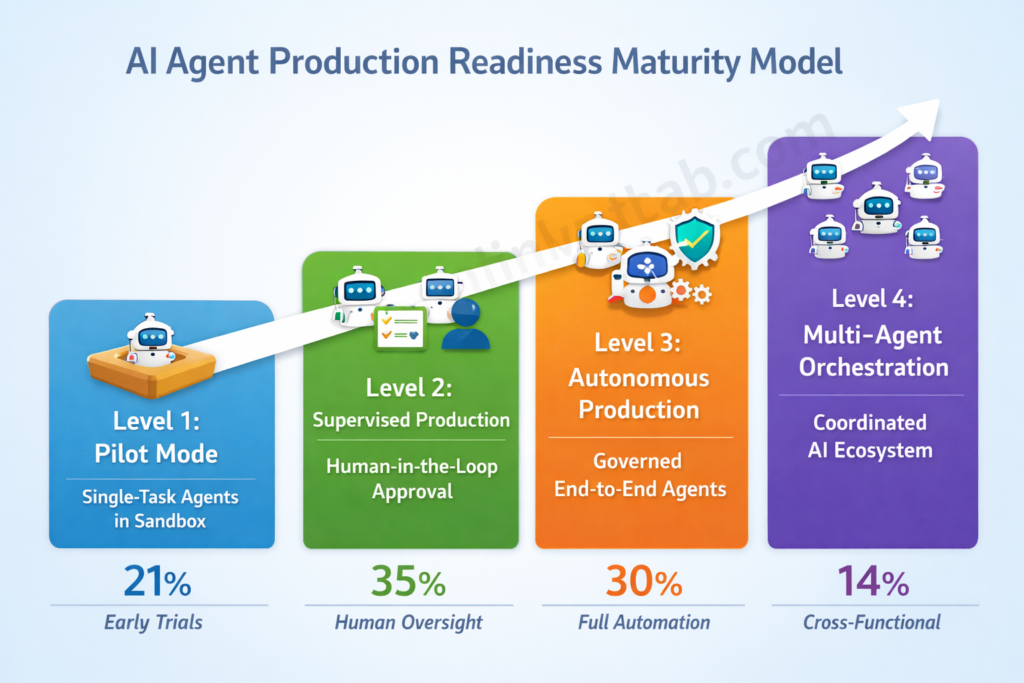
95% of Enterprises Now Run AI Agents in Production — Here’s What’s Breaking (And How to Fix It)

In a world where technological evolution is no longer a distant horizon but a present reality, industries are witnessing a transformative wave set in motion by AI agents. Imagine a bustling factory floor where machines not only perform tasks but also autonomously communicate and collaborate to enhance productivity and efficiency. This is the new frontier in production lines, where AI agents in production are not merely tools, but intelligent partners revolutionizing the way we manufacture.

Gone are the days when manual labor dictated the pace and precision of production. Today, AI agents are at the heart of operations, capable of predicting equipment failures before they occur and optimizing supply chains with unparalleled accuracy. These digital masterminds transform vast data into actionable insights, ensuring that every cog in the production machine operates seamlessly. As industries harness the potential of these agents, they not only boost their output but also redefine what’s possible in the landscape of manufacturing. Welcome to the era where AI isn’t just a supplementary force, but the very engine driving industrial innovation.

95% of Enterprises Now Run AI Agents in Production — Here’s What’s Breaking (And How to Fix It) Read More »

Heretic AI Abliteration benchmarks

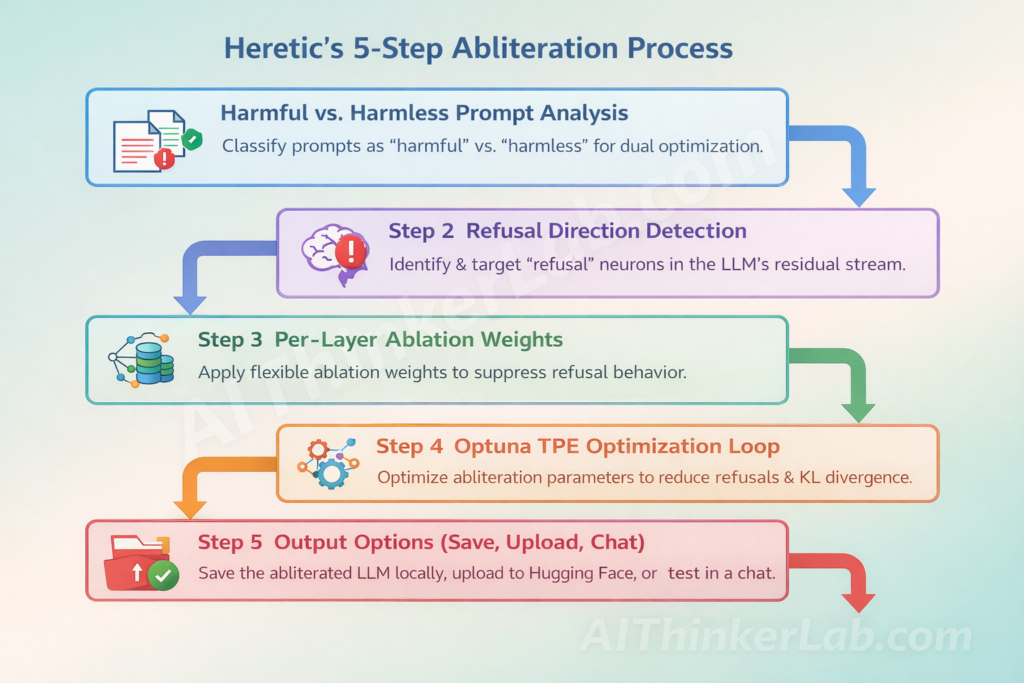
Heretic vs Abliterated LLMs: Refusal Rates & Benchmarks (2026)

In a world increasingly shaped by artificial intelligence, the stakes for ensuring these systems operate safely and ethically have never been higher. Recent strides in AI development have brought about incredible capabilities, yet they also usher in complex challenges that demand our urgent attention. Enter the Heretic AI Abliteration Benchmarks—an initiative that dares to push boundaries by rigorously evaluating the safety alignment of advanced AI models like GPT-4. These benchmarks serve as a crucial litmus test, revealing just how well—or poorly—AI systems adhere to established ethical guidelines, ultimately questioning the very fabric of their decision-making processes.

March 2026 saw OpenAI step up to the plate with this groundbreaking initiative, challenging the AI community to examine the implications of safety lapses with an unflinching lens. As AI continues to evolve at a breakneck pace, understanding the intricacies of its alignment with human values is not merely a technical issue but a moral imperative. The Heretic AI Abliteration Benchmarks set the stage for transparency and accountability, enabling a deeper exploration into how far we’ve come and what lies ahead in the ever-evolving landscape of artificial intelligence.

Heretic vs Abliterated LLMs: Refusal Rates & Benchmarks (2026) Read More »

GetGenie AI vs Writesonic vs Copy.ai comparison graphic showing the best AI writer for SEO content in 2026

GetGenie AI vs Writesonic vs Copy.ai: Best AI Writer for SEO Content in 2026

Imagine a future where AI writers craft engaging, SEO-optimized content that not only captures the reader’s interest but also climbs to the top of search rankings with astonishing ease. Welcome to 2026, where the landscape of content creation has evolved beyond our wildest imaginations. In this era, three AI titans—GetGenie AI, Writesonic, and Copy.ai—stand out as leaders in the realm of digital storytelling. They promise to revolutionize the way businesses connect with audiences, optimize search strategies, and streamline the content creation process. But which one truly earns the title of the best AI writer for SEO content?

As competition intensifies, choosing the right AI tool becomes a critical decision for anyone hoping to dominate the digital space. GetGenie AI, with its cutting-edge algorithms, claims to offer unparalleled creativity and adaptability. Meanwhile, Writesonic prides itself on speed and precision, enhancing productivity like never before. On the other hand, Copy.ai boasts an intuitive user interface, making it accessible to novices and professionals alike. In this vibrant contest, each AI writer brings unique strengths to the table, promising to redefine your SEO strategy. The question remains: which one will equip you best to conquer the search engine battlegrounds of 2026? Let’s delve into the details to find out.

GetGenie AI vs Writesonic vs Copy.ai: Best AI Writer for SEO Content in 2026 Read More »

GetGenie AI Review 2026

GetGenie AI Review 2026: Write Blog Posts in Minutes Step-by-Step

📌 GetGenie AI Review 2026 👉 Try GetGenie AI here Writing a single blog post still takes most content creators 3-4 hours — from keyword research through editing. This GetGenie AI review for 2026 puts that claim to the test: can its Blog Wizard actually compress that process into minutes? To answer that, every major feature

GetGenie AI Review 2026: Write Blog Posts in Minutes Step-by-Step Read More »

Hacker using ChatGPT and Claude AI to generate cyberattack exploit code on dark terminal screen 2026

How Hackers Use ChatGPT and Claude to Build Cyberattacks in 2026 (And How to Stop Them)

In the ever-evolving world of cybersecurity, the year 2026 marks a new frontier where artificial intelligence has both empowered defenders and emboldened adversaries. Imagine the sophistication of cyber threats reaching an unprecedented level, where hackers use ChatGPT and Claude to build cyberattacks with unparalleled precision and scale. The very tools designed to assist and innovate are now being twisted into weapons of deception, leaving organizations scrambling to bolster their defenses. As machine learning continues to advance, the potential for AI-driven cyberattacks becomes not only feasible but alarmingly effective.

While the thought of AI being harnessed for such nefarious purposes is daunting, understanding this peril is crucial in crafting robust defensive strategies. The upcoming years in cybersecurity are set to be a battleground where knowledge and foresight will be the keys to resilience. This post delves into how these powerful AI models are being exploited by hackers and, most importantly, unveils practical measures you can deploy to protect your digital assets from these advanced threats. Let’s embark on this journey to demystify the dark side of AI in cybersecurity and arm ourselves with the knowledge to confront these challenges head-on.

How Hackers Use ChatGPT and Claude to Build Cyberattacks in 2026 (And How to Stop Them) Read More »

Anthropic rejects Pentagon AI contract 2026 showing break between AI company and U.S. military

Anthropic Rejects Pentagon AI Contract: Why This 2026 Decision Reshapes AI Ethics

In an era where artificial intelligence is redefining boundaries across industries, the decision by Anthropic to reject a Pentagon AI contract sends ripples through both the tech and ethical landscapes. This bold move, set against the backdrop of increasing scrutiny over AI’s role in military applications, raises profound ethical questions about the intersection of technology and warfare. As we navigate this pivotal moment in 2026, it prompts us to reconsider the responsibilities tech companies bear when faced with lucrative yet morally complex government contracts. It’s a decision that not only shapes Anthropic’s future but also challenges the entire tech industry to introspect and redefine its ethical compass.

The significance of this decision can’t be understated. As AI continues to integrate into daily life and global defense strategies, the choices made by pioneering companies like Anthropic hold sway over how these technologies will evolve ethically. In choosing principle over profit, Anthropic is casting a spotlight on the ethical dilemmas that accompany advancements in AI, setting a precedent for other companies grappling with similar moral quandaries. By rejecting a potentially lucrative Pentagon AI contract, Anthropic is not just shaping its own narrative; it is reshaping the dialogue on AI ethics, urging stakeholders worldwide to pause and reflect on the kind of future AI they wish to create.

Anthropic Rejects Pentagon AI Contract: Why This 2026 Decision Reshapes AI Ethics Read More »