Navneet Bhalodiya

Navneet Bhalodiya is the founder and editor of AIThinkerLab, an AI-focused publication covering practical AI tools, content automation, enterprise strategy, and cybersecurity. He builds his own WordPress plugins and self-hosted automation workflows to test what he writes about, and is known for detailed, numbers-driven guides aimed at content creators and small teams adopting AI without the hype.

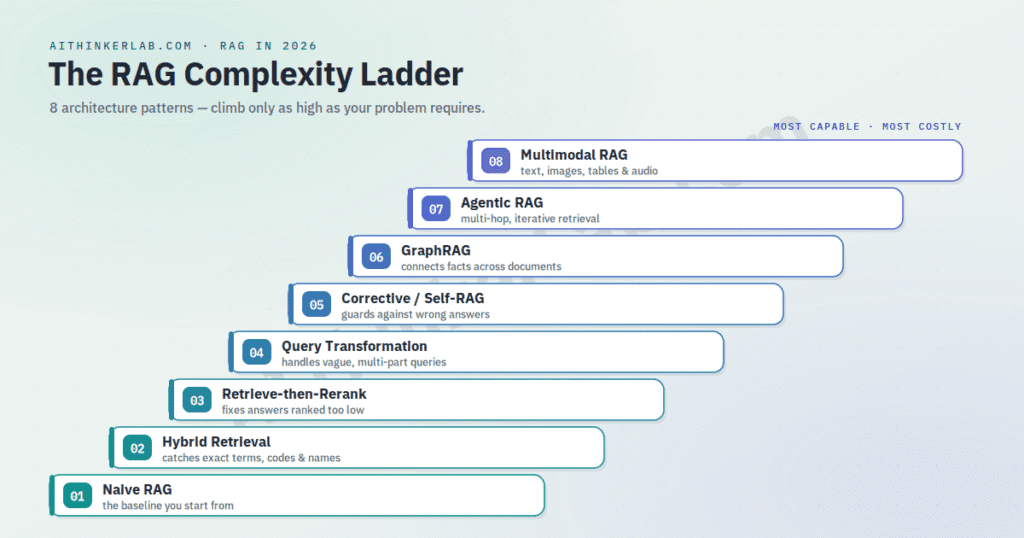
Build RAG Systems 8 patterns ladder

How to Build RAG Systems in 2026: 8 Architecture Patterns

Picture this: it’s 2026, and the landscape of technology has evolved drastically. Innovations are emerging at lightning speed, transforming industries and redefining how we approach problem-solving. Amidst this technological revolution, the need to build RAG systems—Resilient, Agile, and Governable—has become more critical than ever. These systems are not just about keeping up with advancements; they’re about leveraging them to create solutions that can withstand the test of time, adapt swiftly to change, and operate within a strong governance framework. If you’re aiming to stay ahead of the curve, understanding how to implement these architecture patterns is key.

In this ever-changing digital era, the architecture patterns you choose can make or break your system’s performance. Drawing from futuristic strategies, this blog post delves into eight cutting-edge architectural patterns that will empower you to build RAG systems effectively. These patterns are tailored to meet the demands of 2026, ensuring your systems are not only resilient but also capable of responding to unforeseen challenges with agility. Whether you’re an IT enthusiast or a seasoned architect, this guide will provide you with the insights needed to navigate the complexities of modern system design. So, let’s embark on this journey to future-proof your architectures!

How to Build RAG Systems in 2026: 8 Architecture Patterns Read More »

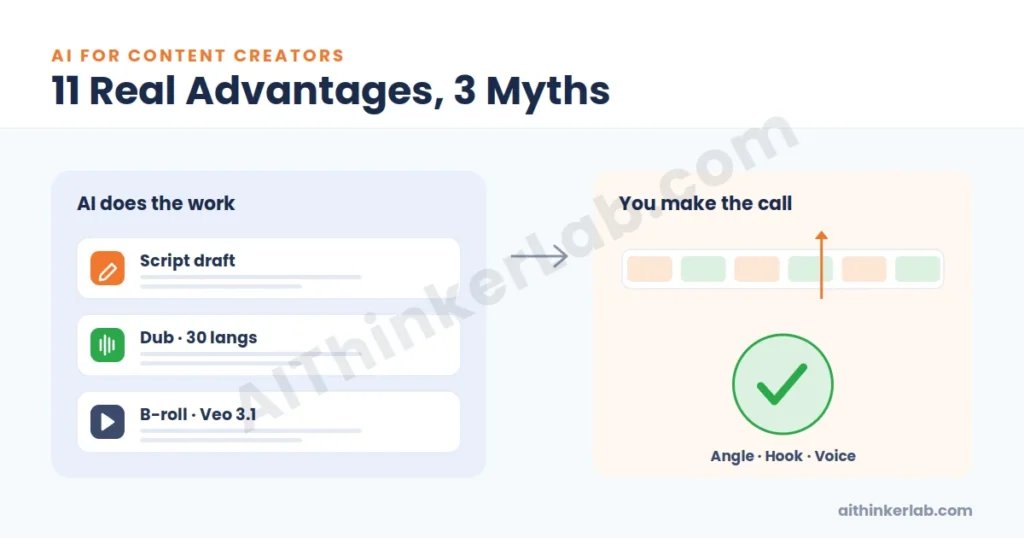
AI for content creators: split desk showing AI tools on one side and a human making the final edit on the other.

AI for Content Creators: 11 Real Advantages, 3 Myths

In a world where the lines between technology and creativity are constantly blurring, the marriage of art and innovation is taking center stage. Imagine being able to harness the power of artificial intelligence to elevate your content creation to unprecedented heights. This is no longer a futuristic fantasy but a rapidly unfolding reality. AI for content creators is revolutionizing the way we think about and produce creative work, offering tools that not only enhance our artistic capabilities but also expand the horizons of what’s possible. With the advent of AI, the canvas of creativity has become boundless, inviting you to explore its depths.

Consider this: how would your creative process transform if you had a partner that never tires, one that learns from your preferences, suggests ideas, and even anticipates your needs? AI is doing just that—acting as a collaborator rather than a replacement. From generating innovative ideas to refining complex narratives, AI is reshaping the landscape of content creation. As we delve into the intersection of technology and artistry, it’s time to unlock the true potential of AI and discover how it can amplify your creative expression like never before. Are you ready to redefine your creative boundaries? Let’s explore where art meets innovation.

AI for Content Creators: 11 Real Advantages, 3 Myths Read More »

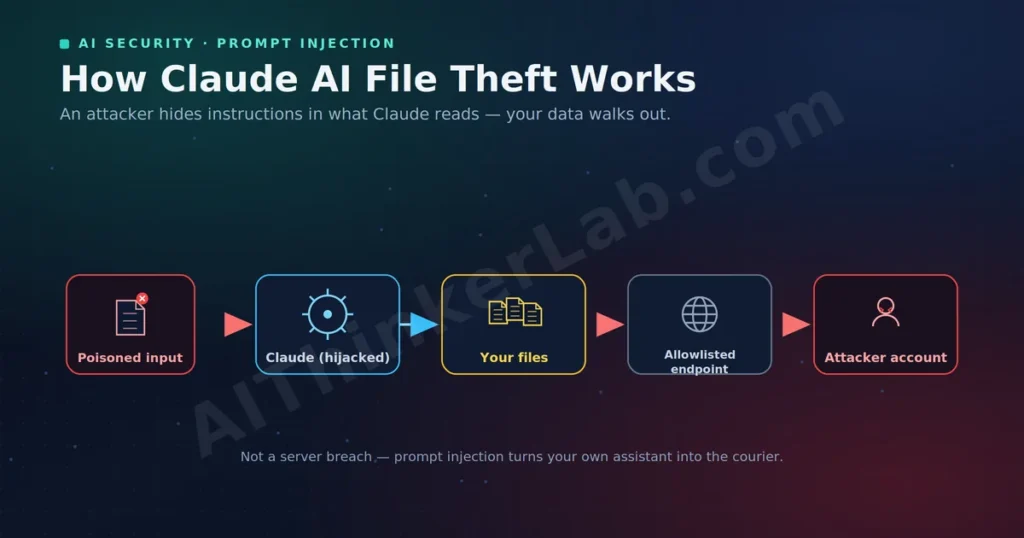
Claude AI file theft diagram showing prompt injection hijacking Claude to exfiltrate files to an attacker.

How Claude AI File Theft Works: Protect Your Data 2026

Key Takeaways Introduction Claude AI file theft sounds like a headline built for clicks, but in late 2025 and early 2026 it became a documented reality — just not the way the phrase implies. Nobody is breaking into Anthropic’s servers to grab your documents. Instead, researchers showed that an attacker can hide instructions inside content

How Claude AI File Theft Works: Protect Your Data 2026 Read More »

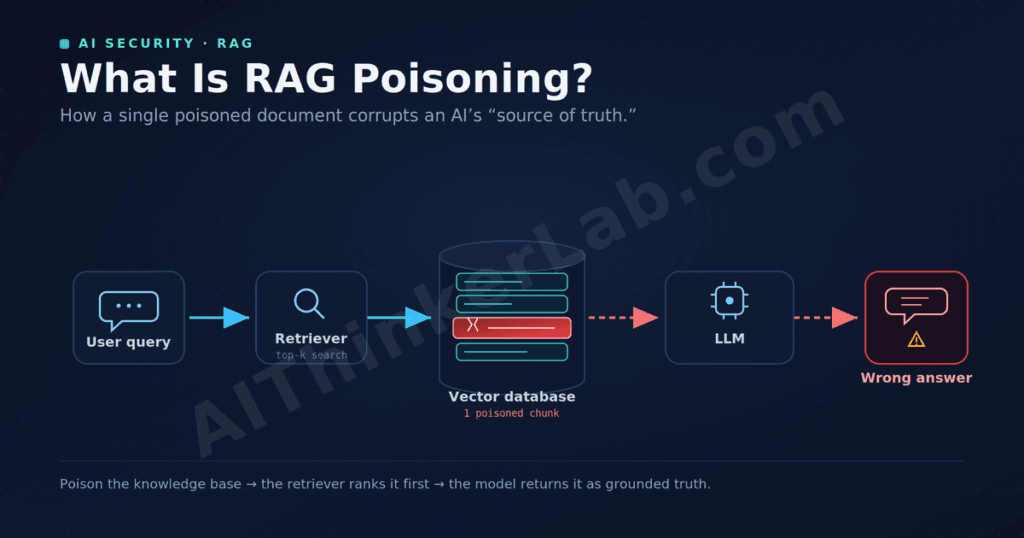
RAG poisoning diagram showing a corrupted document retrieved from a vector database into an AI answer.

What Is RAG Poisoning? Attacks, Risks & 2026 Defenses

Imagine reaching for that seemingly harmless cleaning rag tucked under your kitchen sink, only to discover that it’s a silent threat endangering your household. Often overlooked in our daily routines, the dangers of rag poisoning remain tucked away from public awareness, silently weaving their way into our lives. With everyday household tasks, we might not realize that these useful tools can harbor unseen risks. From toxic chemicals and bacteria accumulating in their fibers to spontaneous combustion risks, these ordinary cloths can turn into hazardous substances without us even noticing.

Let’s dive deeper into the complexities of rag poisoning—the hidden peril that might be lurking within your own home. Understanding these risks is crucial, as they not only compromise the health and safety of our families but also challenge our preconceived notions about cleanliness and hygiene. This blog post will shed light on the often-misunderstood dangers associated with rags and offer practical tips to protect yourself and your loved ones from these unexpected threats. Prepare to rethink how you handle those unassuming scraps of fabric and arm yourself with knowledge that could prevent potential hazards.

What Is RAG Poisoning? Attacks, Risks & 2026 Defenses Read More »

AI for Content Creators in 2026

AI for Content Creators in 2026: What Works, What’s Banned (Complete Guide)

Imagine a world where AI seamlessly crafts compelling narratives, curates striking visuals, and even anticipates the ever-changing tastes of global audiences—all before creators even lift a finger. As we look toward the horizon of 2026, this isn’t just a futuristic fantasy but a looming reality that promises to redefine the very essence of content creation. The landscape is evolving at a breathtaking pace, and the role of AI for content creators in 2026 is poised to be more transformative than ever.

The advancements in AI technology are not merely tools but are becoming collaborative partners, paving the way for unprecedented creativity and efficiency. In 2026, content creators will leverage AI to break through traditional barriers, innovating in ways previously thought impossible. This shift will bring about a new era of personalized content, crafted with precision to engage and resonate with diverse audiences. Join us as we explore the emerging trends and uncover the exciting possibilities that await in the future of AI-driven content creation.

AI for Content Creators in 2026: What Works, What’s Banned (Complete Guide) Read More »

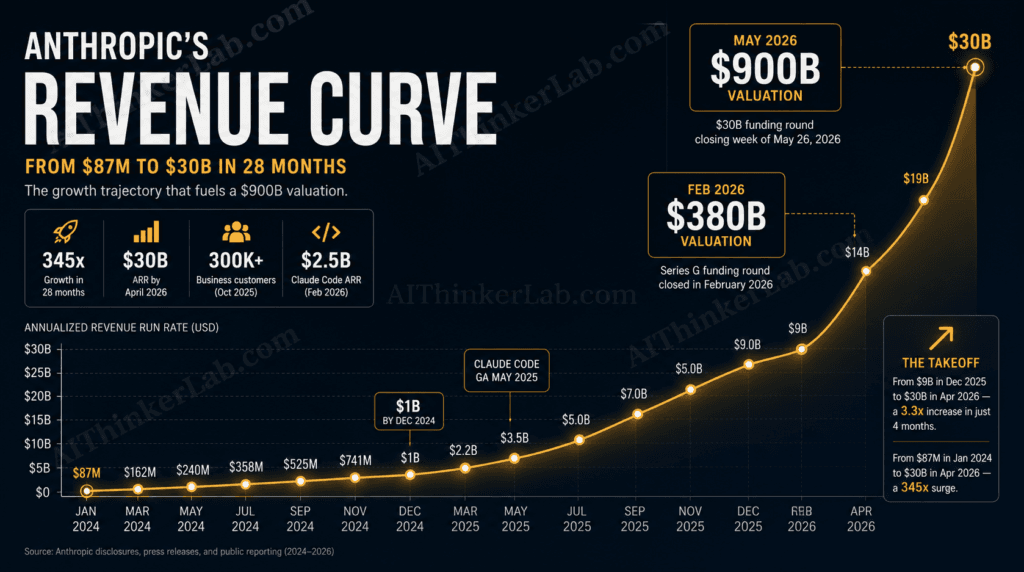
Anthropic $30B funding round

Anthropic’s $30B Funding Round 2026: What It Means for the Future of AI

In an era where artificial intelligence is reshaping industries and redefining possibilities, the importance of strategic investments cannot be overstated. This is precisely why Anthropic’s staggering $30B funding round in 2026 marks a pivotal moment in the AI landscape. As the world watches with bated breath, this monumental influx of capital not only solidifies Anthropic’s position as a formidable player in AI development but also signals a transformative shift that could revolutionize everything from machine learning to ethical AI implementation.

But what does a $30 billion investment truly entail? Beyond the undeniable financial prowess, it speaks to a tangible confidence in Anthropic’s vision for the future. It suggests a commitment to harnessing AI in ways that are not only innovative but also responsible, addressing concerns about AI safety and ethics. As we delve into the implications of this landmark event, it becomes clear that Anthropic is not just riding the wave of AI advancements but actively steering it towards a future where technology and humanity coexist harmoniously.

Anthropic’s $30B Funding Round 2026: What It Means for the Future of AI Read More »

AI Bug Hunters and Linux Security

AI Bug Hunters and Linux Security in 2026: What Linus Torvalds Said

In the rapidly evolving realm of technology, where every keystroke and line of code shapes our digital landscape, the emergence of AI bug hunters is nothing short of revolutionary. These digital sleuths, equipped with the prowess of artificial intelligence, are increasingly becoming the backbone of Linux security. Imagine a future where cyber threats are neutralized not by human intervention alone, but through sophisticated, self-learning algorithms that can predict and prevent vulnerabilities before they even surface. This isn’t just a glimpse into the future; it’s the unfolding reality of cyber defense.

The intertwining of AI bug hunters and Linux security represents a seismic shift in how we approach digital protection. While traditional methods have relied on human expertise and reactive measures, this next generation of cyber defense champions proactive precision. With Linux being the cornerstone of countless systems—from personal devices to vast servers—the role of AI in fortifying its security cannot be overstated. This is more than innovation; it’s a paradigm shift that promises to redefine the boundaries of what we consider possible in safeguarding our digital world.

AI Bug Hunters and Linux Security in 2026: What Linus Torvalds Said Read More »

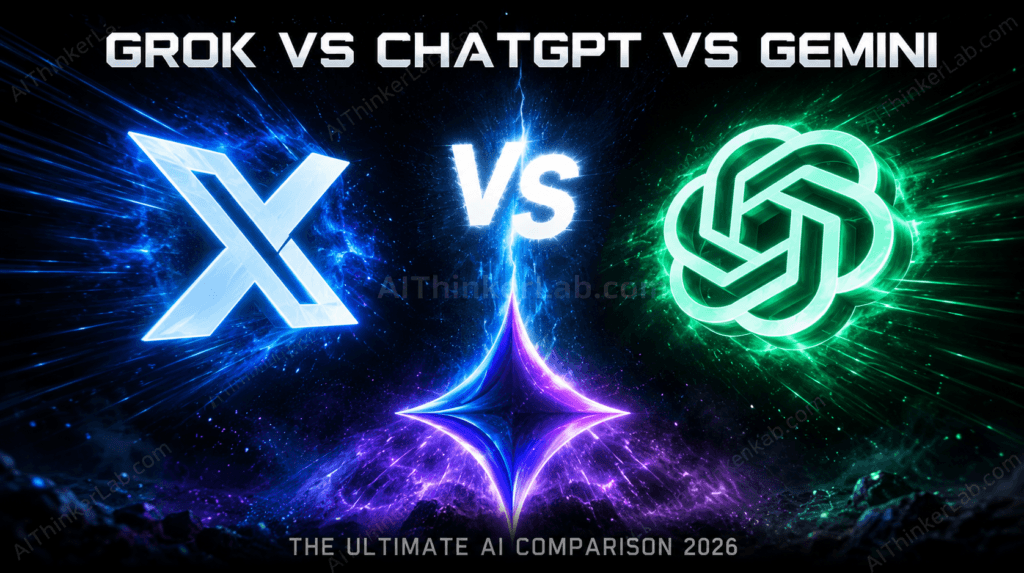
Grok vs ChatGPT vs Gemini comparison 2026

Grok vs ChatGPT vs Gemini Comparison 2026: Complete Guide (Tested)

Updated May 2026 · All Current Models · Real Pricing & Benchmarks The 30-Second Verdict Best for science & reasoning: Gemini 3.1 Pro — leads GPQA Diamond (94.3%) and ARC-AGI-2 (77.1%). Best for coding: ChatGPT (GPT-5.5) — 88.7% on SWE-Bench Verified. Best for real-time info & lowest API cost: Grok 4 / 4.3 — only

Grok vs ChatGPT vs Gemini Comparison 2026: Complete Guide (Tested) Read More »

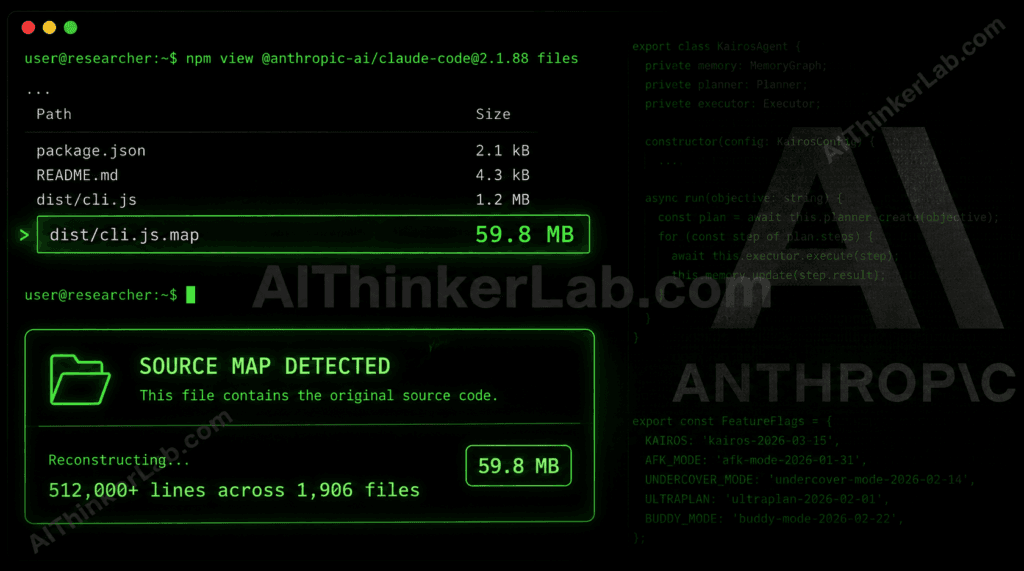
Claude Code leak 2026 — cli.js.map file exposure in npm package v2.1.88

Claude Code Leak 2026: Inside the 512,000-Line Dump That Exposed Anthropic’s Entire Roadmap

Key Takeaways Introduction Around 08:23 UTC on March 31, 2026, Chaofan Shou — a researcher then interning at Solayer Labs — opened the npm registry page for @anthropic-ai/claude-code and noticed something that wasn’t supposed to be there. Bundled inside version 2.1.88 of Anthropic’s flagship agentic coding CLI was a 59.8 MB source map file, cli.js.map,

Claude Code Leak 2026: Inside the 512,000-Line Dump That Exposed Anthropic’s Entire Roadmap Read More »

Linux zero day exploit 2026

Linux Zero Day Exploit 2026: The 732-Byte Attack Hijacking Systems Before Any Patch Exists

Imagine waking up to find that your computer systems, once thought secure, have been compromised in the most elusive way possible. This is not just a tech enthusiast’s nightmare—it’s the reality of a new breed of cyber threats that have emerged. In 2026, a Linux zero-day exploit, a mere 732 bytes in size, is wreaking havoc across systems worldwide. It’s not just a test of technical prowess; it’s a race against time for security experts. Before any patch exists to mitigate the threat, this tiny yet potent attack vector is stealthily hijacking systems right under the radar.

The implications are staggering. For businesses, the compromise can mean financial loss, reputational damage, and breaches of confidential information. But what makes this exploit particularly insidious is its ability to bypass traditional defenses, leaving IT departments scrambling in a reactive stance. With zero-day exploits like this one, the stakes have never been higher. Understanding the mechanics and impact of such vulnerabilities isn’t just for cybersecurity professionals but crucial for anyone relying on digital ecosystems in today’s interconnected world. Prepare yourself as we delve into every facet of this alarming security saga.

Linux Zero Day Exploit 2026: The 732-Byte Attack Hijacking Systems Before Any Patch Exists Read More »