Tools, Workflow & Automation

Enhance your efficiency and productivity with our Tools, Workflow & Automation category. Discover the latest tools, best practices, and automation techniques to streamline processes, optimize workflows, and boost productivity in your technical projects. Stay ahead of the curve with insights on cutting-edge technologies that can revolutionize your approach to work and project management.

Claude Fable 5 vs Opus 4.8

Claude Fable 5 vs Opus 4.8 for Writers & Researchers: The Hidden Costs Nobody’s Talking About (2026)

In the realm of modern fantasy literature, two titans rise to cast their shadows over lesser-known works, captivating imaginations and inviting spirited debates. “Claude Fable 5” and “Opus 48” are more than just stories; they are immersive worlds forged from the dreams of their creators. With intricate plotlines, unforgettable characters, and settings so vivid you can almost feel the magic coursing through the pages, these novels represent the pinnacle of contemporary fantasy storytelling. But when these two giants stand side by side, which truly commands the throne of readers’ affections?

Delving into the nuances of “Claude Fable 5 vs Opus 4.8” is no mere academic exercise; it is a journey through a landscape rich with allegories and hidden meanings, promising to resonate with fans long after the final page is turned. As we embark on this quest, we will explore what sets each masterpiece apart, dissecting the elements that have made them household names in the fantasy genre. Whether you’re new to the series or a seasoned aficionado, this comparison will shed light on the enduring allure of these captivating worlds and perhaps even sway your allegiance to one side. Join us in untangling the threads of magic and mystery that bind these narratives and discover which one reigns supreme in the hearts of fantasy enthusiasts everywhere.

Claude Fable 5 vs Opus 4.8 for Writers & Researchers: The Hidden Costs Nobody’s Talking About (2026) Read More »

Grok vs ChatGPT vs Gemini comparison 2026

Grok vs ChatGPT vs Gemini Comparison 2026: Complete Guide (Tested)

Updated May 2026 · All Current Models · Real Pricing & Benchmarks The 30-Second Verdict Best for science & reasoning: Gemini 3.1 Pro — leads GPQA Diamond (94.3%) and ARC-AGI-2 (77.1%). Best for coding: ChatGPT (GPT-5.5) — 88.7% on SWE-Bench Verified. Best for real-time info & lowest API cost: Grok 4 / 4.3 — only

Grok vs ChatGPT vs Gemini Comparison 2026: Complete Guide (Tested) Read More »

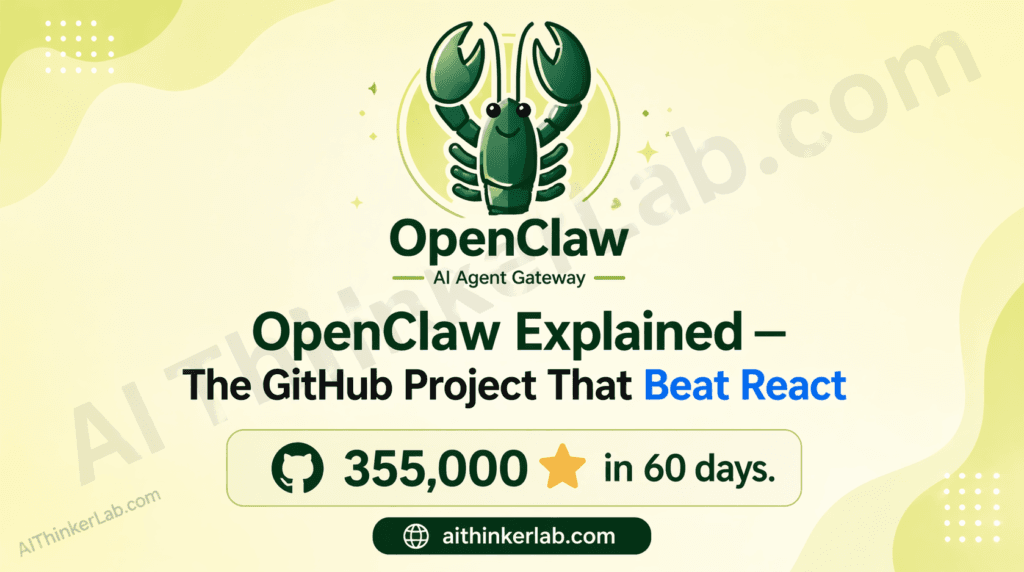
OpenClaw Explained

OpenClaw Explained: What It Is, Why Developers Are Rushing to GitHub, and What You Need to Know in 2026

Key Takeaways Introduction On March 3, 2026, a TypeScript project called OpenClaw quietly dethroned React as GitHub’s most-starred non-aggregator software repository — 355,000 stars accumulated in roughly 90 days, with no Product Hunt launch, no press release, and no venture capital announcement behind it. If you’ve been heads-down on a sprint and missed the signal,

OpenClaw Explained: What It Is, Why Developers Are Rushing to GitHub, and What You Need to Know in 2026 Read More »

Run an AI Model Locally in Your Browser

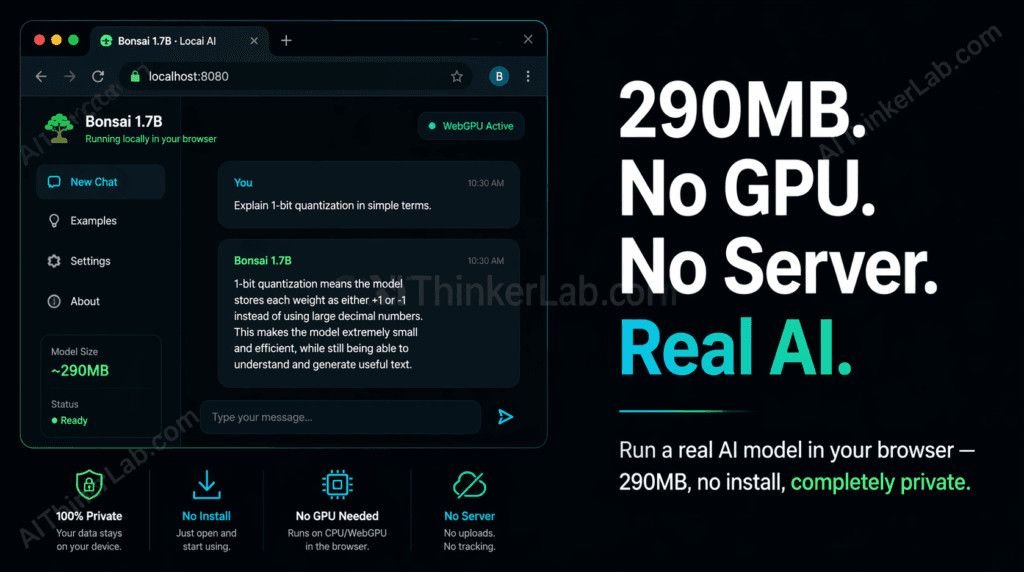
How to Run an AI Model Locally in Your Browser Using 1-Bit Bonsai 1.7B (Only 290MB — No GPU Needed)

Key Takeaways Introduction You don’t need a server. You don’t need a GPU. You don’t even need an account. A real, working AI language model can run entirely inside your browser tab — right now — on whatever laptop you’re reading this on. That claim would have sounded absurd in 2023. By mid-2025, it’s demonstrably

How to Run an AI Model Locally in Your Browser Using 1-Bit Bonsai 1.7B (Only 290MB — No GPU Needed) Read More »

MiniMax M2.7 vs GPT-4 and Claude

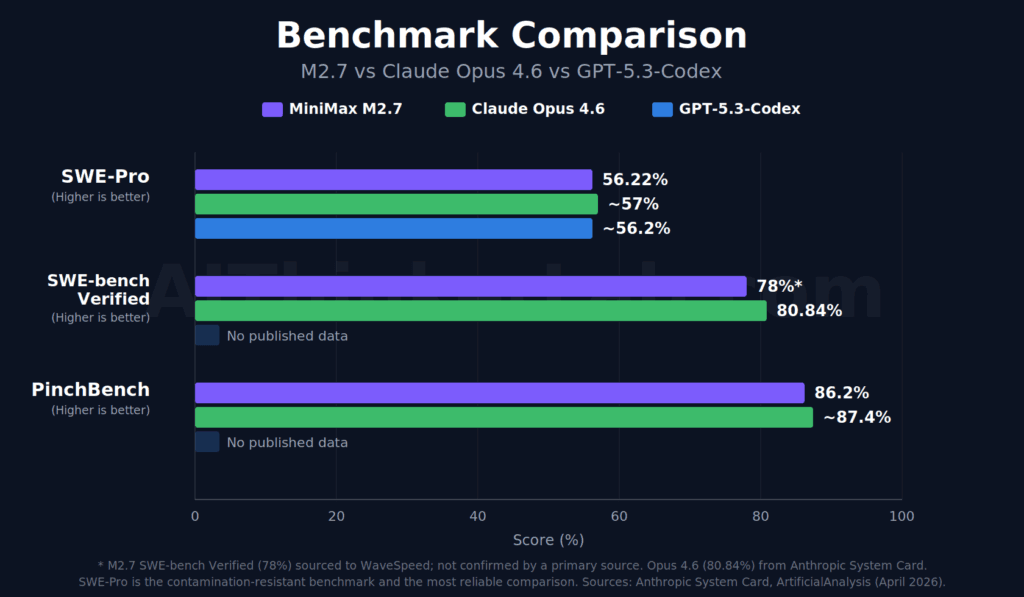
Minimax M2.7 vs GPT-4 and Claude: Why This AI Model Beats The Competition (April 2026 Release)

In an era where artificial intelligence is integrated into every facet of our lives, it’s quite astonishing to witness new models that continually push the boundaries of what machines can achieve. The latest release, Minimax M2.7, has entered the stage with promises to outshine giants like GPT-4 and Claude. While these established models have set a high bar for performance, Minimax M2.7 brings a refreshing twist by focusing on efficiency and innovation. If you’re intrigued by the rapid evolution of AI technology, then understanding how Minimax M2.7 stacks up against industry titans will be key in appreciating its groundbreaking capabilities.

A deep dive into the specifications reveals a fascinating narrative of technological superiority. Minimax M2.7 doesn’t just aim to replicate what its predecessors have achieved; it seeks to redefine expectations entirely. With AI applications becoming crucial in sectors from health to entertainment, the implications of this competition stretch far beyond mere computational prowess. This blog post unravels the intricacies of why Minimax M2.7 has become a formidable contender and potentially a game-changer in the AI landscape. Join us as we explore how this model challenges the status quo set by GPT-4 and Claude, marking a new chapter in artificial intelligence development.

Minimax M2.7 vs GPT-4 and Claude: Why This AI Model Beats The Competition (April 2026 Release) Read More »

llama.cpp 100K GitHub Stars

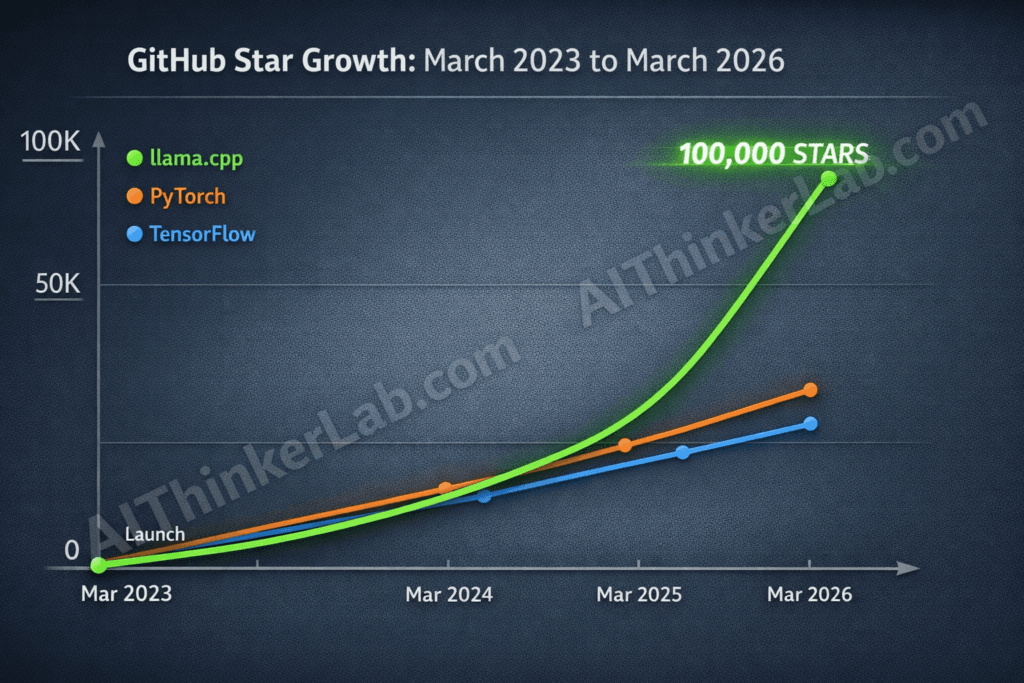
llama.cpp Hits 100K GitHub Stars 2026: 7 Reasons Devs Obsess Over This Open-Source Local LLM Tool

In the ever-evolving landscape of technology, some developments capture the collective imagination of the development community more than others. Such is the case with llama.cpp, an open-source local LLM tool that has recently achieved an impressive milestone: 100K GitHub Stars. This remarkable feat isn’t just a testament to the tool’s utility, but also a reflection of its profound impact on developers across the globe. As developers strive for more efficient and effective tools in an increasingly complex digital world, llama.cpp emerges as a beacon of innovation, offering unique solutions that cater to both seasoned experts and enthusiastic newcomers.

What makes llama.cpp so compelling? Is it the elegance of its design, the power of its functionalities, or perhaps the vibrant community that supports and enhances it? The reality lies in a combination of these elements, each contributing to its widespread adoption and popularity. Whether you’re delving into machine learning for the first time or seeking to refine and optimize your projects, understanding what sets llama.cpp apart could be the key to unlocking new levels of creativity and efficiency in your work. Join us as we explore the seven reasons this tool has become an obsession for developers worldwide.

llama.cpp Hits 100K GitHub Stars 2026: 7 Reasons Devs Obsess Over This Open-Source Local LLM Tool Read More »

OpenAI Codex vs Claude Code

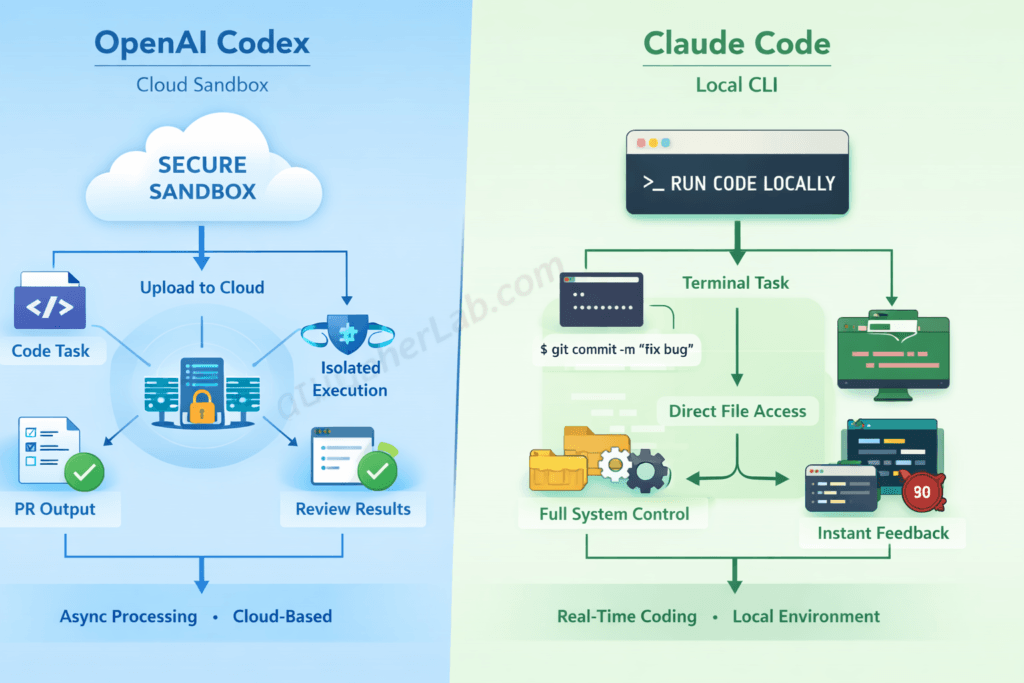
Claude Code vs OpenAI Codex: 30-Day Dev Test (May 2026)

In the fast-evolving world of artificial intelligence, two remarkable contenders have emerged, capturing the attention of developers and tech enthusiasts alike: OpenAI Codex and Claude Code. These AI coding agents are not just changing how code is written but revolutionizing the very nature of software development. Imagine an assistant that can understand natural language commands and translate them into code effortlessly. These aren’t just sci-fi dreams; they’re the groundbreaking realities presented by these two innovative tools.

While OpenAI Codex has carved its niche with its impressive ability to comprehend and generate human-like code fluently, Claude Code is gaining traction for its unique approach and problem-solving capabilities. Both systems promise to streamline coding tasks, enhance productivity, and minimize errors. But when it comes to choosing one, which AI truly stands out? In this blog post, we delve deep into the strengths and weaknesses of these cutting-edge technologies, offering insights that could help you decide which AI coding agent might be the best partner in your digital projects.

Claude Code vs OpenAI Codex: 30-Day Dev Test (May 2026) Read More »

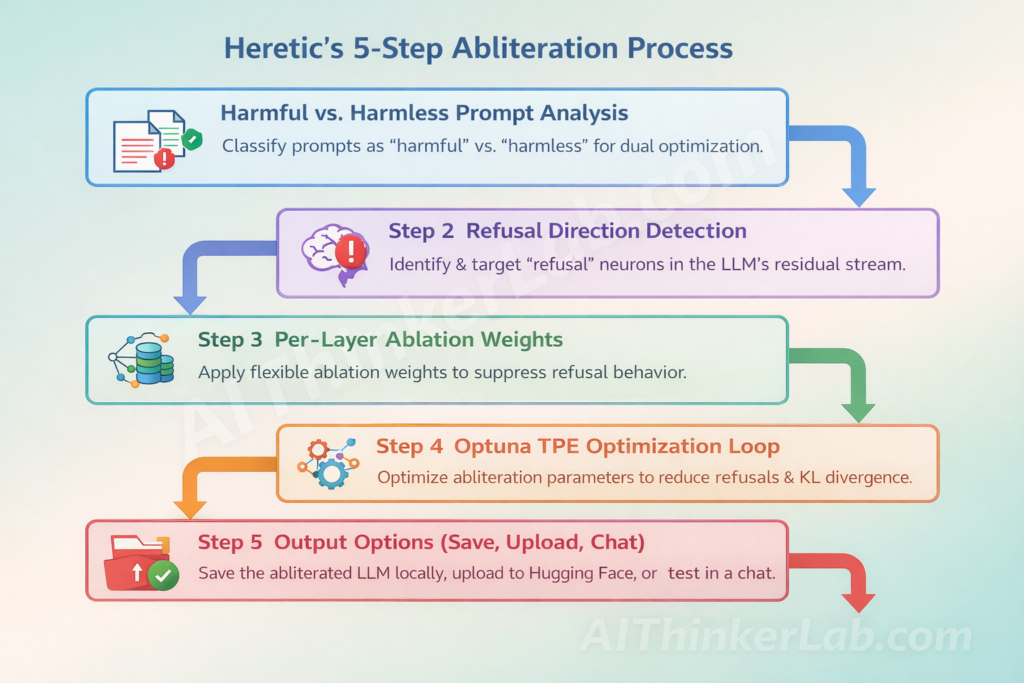
Heretic AI Abliteration benchmarks

Heretic vs Abliterated LLMs: Refusal Rates & Benchmarks (2026)

In a world increasingly shaped by artificial intelligence, the stakes for ensuring these systems operate safely and ethically have never been higher. Recent strides in AI development have brought about incredible capabilities, yet they also usher in complex challenges that demand our urgent attention. Enter the Heretic AI Abliteration Benchmarks—an initiative that dares to push boundaries by rigorously evaluating the safety alignment of advanced AI models like GPT-4. These benchmarks serve as a crucial litmus test, revealing just how well—or poorly—AI systems adhere to established ethical guidelines, ultimately questioning the very fabric of their decision-making processes.

March 2026 saw OpenAI step up to the plate with this groundbreaking initiative, challenging the AI community to examine the implications of safety lapses with an unflinching lens. As AI continues to evolve at a breakneck pace, understanding the intricacies of its alignment with human values is not merely a technical issue but a moral imperative. The Heretic AI Abliteration Benchmarks set the stage for transparency and accountability, enabling a deeper exploration into how far we’ve come and what lies ahead in the ever-evolving landscape of artificial intelligence.

Heretic vs Abliterated LLMs: Refusal Rates & Benchmarks (2026) Read More »

GetGenie AI vs Writesonic vs Copy.ai comparison graphic showing the best AI writer for SEO content in 2026

GetGenie AI vs Writesonic vs Copy.ai: Best AI Writer for SEO Content in 2026

Imagine a future where AI writers craft engaging, SEO-optimized content that not only captures the reader’s interest but also climbs to the top of search rankings with astonishing ease. Welcome to 2026, where the landscape of content creation has evolved beyond our wildest imaginations. In this era, three AI titans—GetGenie AI, Writesonic, and Copy.ai—stand out as leaders in the realm of digital storytelling. They promise to revolutionize the way businesses connect with audiences, optimize search strategies, and streamline the content creation process. But which one truly earns the title of the best AI writer for SEO content?

As competition intensifies, choosing the right AI tool becomes a critical decision for anyone hoping to dominate the digital space. GetGenie AI, with its cutting-edge algorithms, claims to offer unparalleled creativity and adaptability. Meanwhile, Writesonic prides itself on speed and precision, enhancing productivity like never before. On the other hand, Copy.ai boasts an intuitive user interface, making it accessible to novices and professionals alike. In this vibrant contest, each AI writer brings unique strengths to the table, promising to redefine your SEO strategy. The question remains: which one will equip you best to conquer the search engine battlegrounds of 2026? Let’s delve into the details to find out.

GetGenie AI vs Writesonic vs Copy.ai: Best AI Writer for SEO Content in 2026 Read More »

GetGenie AI Review 2026

GetGenie AI Review 2026: Write Blog Posts in Minutes Step-by-Step

📌 GetGenie AI Review 2026 👉 Try GetGenie AI here Writing a single blog post still takes most content creators 3-4 hours — from keyword research through editing. This GetGenie AI review for 2026 puts that claim to the test: can its Blog Wizard actually compress that process into minutes? To answer that, every major feature

GetGenie AI Review 2026: Write Blog Posts in Minutes Step-by-Step Read More »