AI Security & Cyber Threats

Explore how AI is transforming cybersecurity — from AI-powered cyberattacks and prompt injection exploits to defense strategies and enterprise security frameworks. Stay ahead of emerging AI threats.

Malicious Claude Code downloads

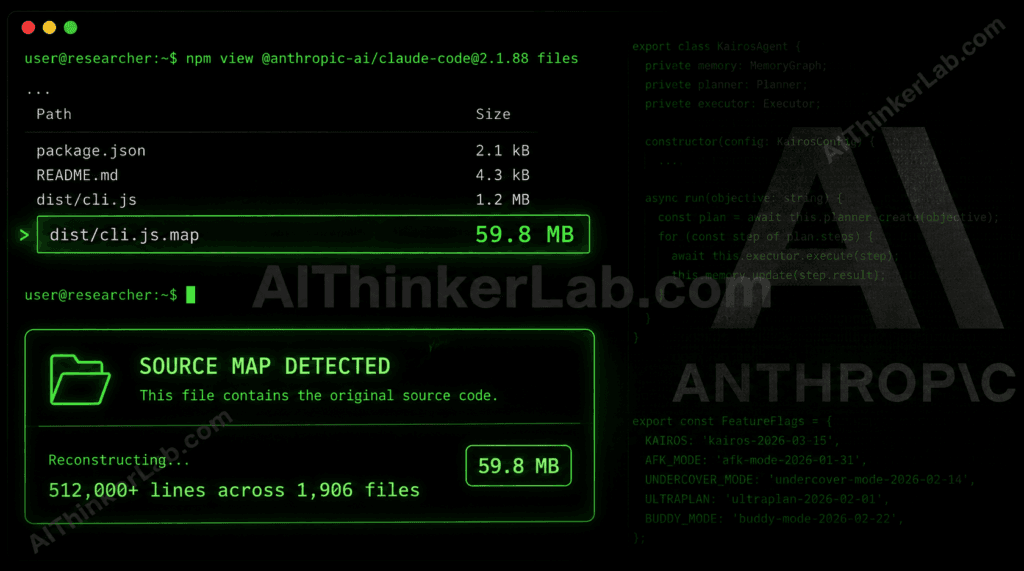
Malicious Claude Code Downloads Warning 2026: 7 Proven Ways to Verify AI Tools Before Installation

In today’s rapidly evolving digital landscape, where artificial intelligence tools promise to streamline tasks and enhance productivity, the lurking threat of malicious software is more pronounced than ever. The rise of Malicious Claude Code Downloads serves as a stark reminder that not all advancements come without risks. As AI technologies proliferate, so does the ingenuity of cybercriminals who craftily disguise harmful codes within seemingly helpful applications. Tapping into the convenience offered by AI tools without adequate verification can lead to dire consequences, threatening both personal and organizational security.

Imagine investing in a revolutionary AI application only to find it compromising your data integrity or seizing your sensitive information. It’s a chilling scenario, yet increasingly common in 2026’s tech-driven world. With a flood of AI innovations constantly hitting the market, how do you ensure that what you’re downloading is safe? This blog post delves into seven proven strategies to verify AI tools before installation, equipping you with the knowledge to protect yourself against potential cyber threats. Whether you’re a tech enthusiast or someone simply looking to leverage AI for everyday tasks, understanding these essential verification techniques is crucial in safeguarding your digital environment.

Malicious Claude Code Downloads Warning 2026: 7 Proven Ways to Verify AI Tools Before Installation Read More »

Hacker using ChatGPT and Claude AI to generate cyberattack exploit code on dark terminal screen 2026

How Hackers Use ChatGPT and Claude to Build Cyberattacks in 2026 (And How to Stop Them)

In the ever-evolving world of cybersecurity, the year 2026 marks a new frontier where artificial intelligence has both empowered defenders and emboldened adversaries. Imagine the sophistication of cyber threats reaching an unprecedented level, where hackers use ChatGPT and Claude to build cyberattacks with unparalleled precision and scale. The very tools designed to assist and innovate are now being twisted into weapons of deception, leaving organizations scrambling to bolster their defenses. As machine learning continues to advance, the potential for AI-driven cyberattacks becomes not only feasible but alarmingly effective.

While the thought of AI being harnessed for such nefarious purposes is daunting, understanding this peril is crucial in crafting robust defensive strategies. The upcoming years in cybersecurity are set to be a battleground where knowledge and foresight will be the keys to resilience. This post delves into how these powerful AI models are being exploited by hackers and, most importantly, unveils practical measures you can deploy to protect your digital assets from these advanced threats. Let’s embark on this journey to demystify the dark side of AI in cybersecurity and arm ourselves with the knowledge to confront these challenges head-on.

How Hackers Use ChatGPT and Claude to Build Cyberattacks in 2026 (And How to Stop Them) Read More »