Navneet Bhalodiya

Navneet Bhalodiya is the founder and editor of AIThinkerLab, an AI-focused publication covering practical AI tools, content automation, enterprise strategy, and cybersecurity. He builds his own WordPress plugins and self-hosted automation workflows to test what he writes about, and is known for detailed, numbers-driven guides aimed at content creators and small teams adopting AI without the hype.

Linux zero day exploit 2026

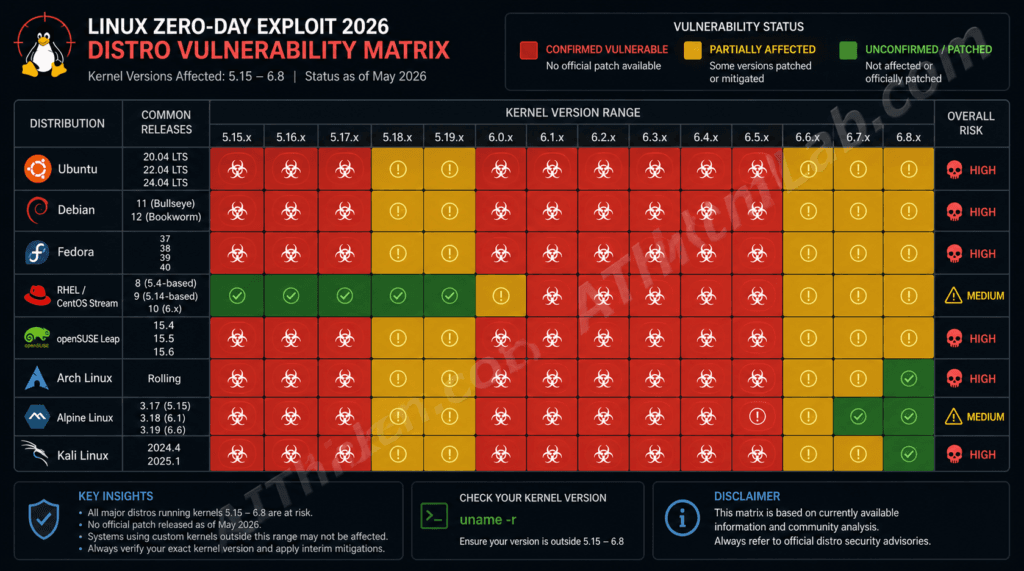
Linux Zero Day Exploit 2026: The 732-Byte Attack Hijacking Systems Before Any Patch Exists

Imagine waking up to find that your computer systems, once thought secure, have been compromised in the most elusive way possible. This is not just a tech enthusiast’s nightmareโ€”it’s the reality of a new breed of cyber threats that have emerged. In 2026, a Linux zero-day exploit, a mere 732 bytes in size, is wreaking havoc across systems worldwide. Itโ€™s not just a test of technical prowess; it’s a race against time for security experts. Before any patch exists to mitigate the threat, this tiny yet potent attack vector is stealthily hijacking systems right under the radar.

The implications are staggering. For businesses, the compromise can mean financial loss, reputational damage, and breaches of confidential information. But what makes this exploit particularly insidious is its ability to bypass traditional defenses, leaving IT departments scrambling in a reactive stance. With zero-day exploits like this one, the stakes have never been higher. Understanding the mechanics and impact of such vulnerabilities isn’t just for cybersecurity professionals but crucial for anyone relying on digital ecosystems in today’s interconnected world. Prepare yourself as we delve into every facet of this alarming security saga.
Linux Zero Day Exploit 2026: The 732-Byte Attack Hijacking Systems Before Any Patch Exists Read More ยป

Qwen 3.6 27B vs Gemma 4 31B

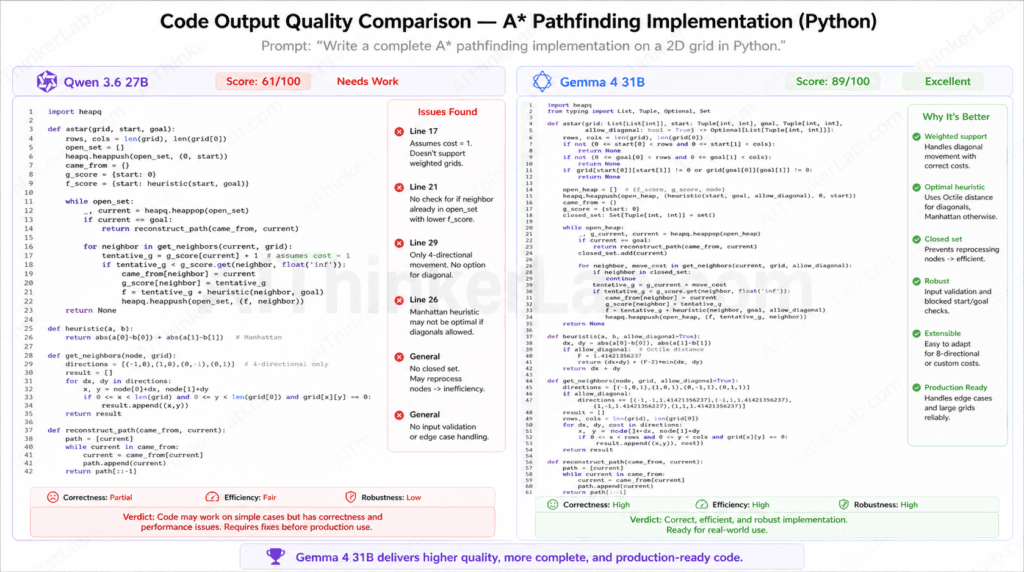
We Tested Qwen 3.6 27B vs Gemma 4 31B on 500 Game Dev Prompts โ€” The Winner Wasn’t Who We Expected

In the ever-evolving world of artificial intelligence, showcasing the prowess of large language models has become akin to the ultimate tech showdown. Imagine setting two AI titans against each other in a fierce competition to determine supremacy in creativity, accuracy, and problem-solving. That’s exactly what we embarked upon when we tested Qwen 3.6 27B vs Gemma 4 31B across 500 game development prompts. The results were nothing short of surprising, defying our preconceived notions about each model’s capabilities.

As AI continues to infiltrate various fields, including entertainment and game design, our curiosity led us to scrutinize just how these advanced models perform under pressure. Which model would better understand intricate gaming scenarios and which would showcase innovation? Each prompt presented an opportunity for these AI models to shineโ€”or stumbleโ€”in their approach to crafting compelling narratives, deciphering complex instructions, or spawning unique game concepts. Fasten your seatbelts as we delve into a head-to-head analysis, revealing unexpected insights that could reshape our understanding of AI potential in creative domains.

We Tested Qwen 3.6 27B vs Gemma 4 31B on 500 Game Dev Prompts โ€” The Winner Wasn’t Who We Expected Read More ยป

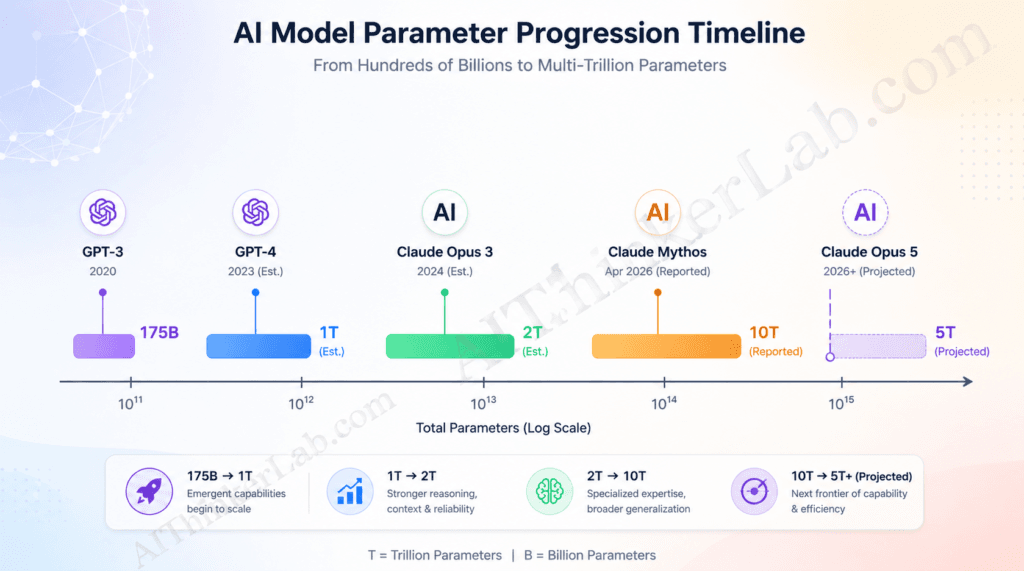
AI model parameter count progression from GPT-3 to Claude Opus 5 trillion parameters โ€” timeline 2020โ€“2026

Claude Opus 5 Trillion Parameters: How Credible Is the 5T MoE Claim? (2026 Evidence Review)

Imagine a world where AI transcends its limitations, delivering not just incremental improvements but revolutionary leaps in understanding and capability. This is the promise embodied by Anthropic’s groundbreaking Claude Opus 5 Trillion Parameters AI model, a marvel of engineering prowess that has taken the field by storm. As we delve into the intricacies of this behemoth, it becomes clear that we stand on the brink of a new era in artificial intelligence, driven by immense computational power and a sophisticated architecture that challenges our previous conceptions.

In 2026, Anthropic’s innovative use of Mixture of Experts (MoE) architectures has positioned the Claude Opus as a game-changer, pushing the envelope of what neural networks can achieve. With trillions of parameters at its disposal, the Claude Opus heralds a future where machines can handle an unprecedented depth of nuance and complexity, opening doors to applications we could only dream of. Join us as we explore how this technological marvel is set to redefine the boundaries of AI and understand the profound impact it will have across various industries and aspects of daily life.

Claude Opus 5 Trillion Parameters: How Credible Is the 5T MoE Claim? (2026 Evidence Review) Read More ยป

OpenClaw Explained

OpenClaw Explained: What It Is, Why Developers Are Rushing to GitHub, and What You Need to Know in 2026

Key Takeaways Introduction On March 3, 2026, a TypeScript project called OpenClaw quietly dethroned React as GitHub’s most-starred non-aggregator software repository โ€” 355,000 stars accumulated in roughly 90 days, with no Product Hunt launch, no press release, and no venture capital announcement behind it. If you’ve been heads-down on a sprint and missed the signal,

OpenClaw Explained: What It Is, Why Developers Are Rushing to GitHub, and What You Need to Know in 2026 Read More ยป

MAD Bugs Month of AI Discovered Bugs 2026

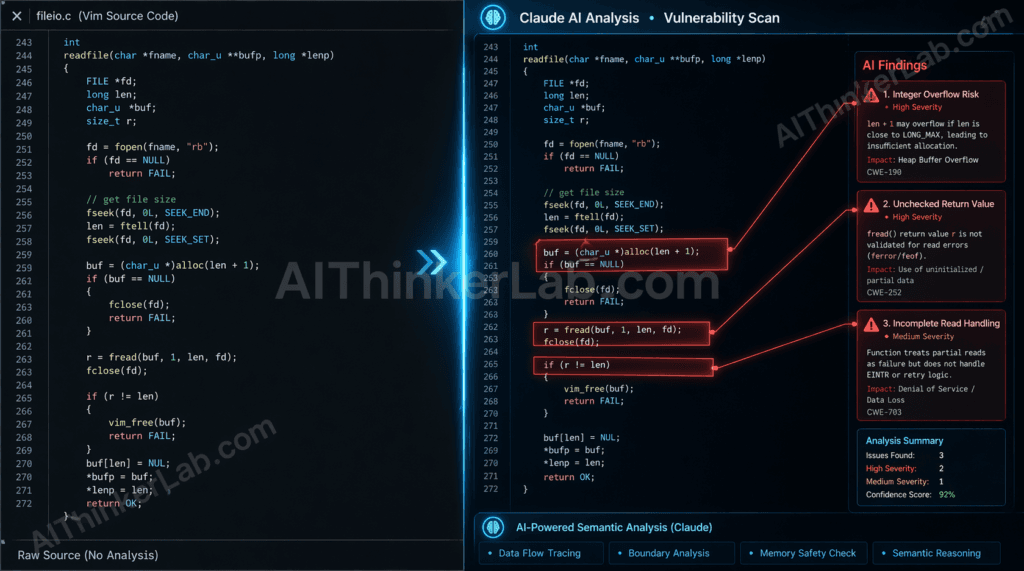
MAD Bugs Month of AI Discovered Bugs 2026: How Claude Found 500+ Zero-Days in Vim, FreeBSD, and Emacs โ€” And Why No Developer Tool Is Safe Anymore

Imagine a world where every developer tool you’ve placed your trust in is suddenly riddled with vulnerabilitiesโ€”hidden flaws waiting to disrupt the seamless workflow youโ€™ve painstakingly designed. Welcome to the MAD Bugs Month of AI Discovered Bugs 2026, an era where AI-driven audits have uncovered more than 500 zero-day exploits in some of the most trusted names in software, including Vim, FreeBSD, and Emacs. As you dive into this astonishing revelation, you’ll realize that no tool is impervious, forcing us to rethink our dependence on software’s invisible backbone.

The story of Claude, the AI who unearthed these vulnerabilities, is not just a tale of technological prowess but also a wake-up call for developers everywhere. With AI scanning through millions of lines of code at lightning speed, it begs the question: How secure are the tools we rely on daily? This blog post delves into how Claude systematically exposed these zero-days and what this means for the future of coding. Prepare to rethink security in ways youโ€™ve never imagined.

MAD Bugs Month of AI Discovered Bugs 2026: How Claude Found 500+ Zero-Days in Vim, FreeBSD, and Emacs โ€” And Why No Developer Tool Is Safe Anymore Read More ยป

Excel zero-day vulnerability 2026

Excel Zero-Day Vulnerability 2026 (CVE): What It Is, Why It’s Critical, and How to Protect Your Business Right Now

๐Ÿ“˜ Editorial Disclosure: This article is published for educational, research, and defensive-security awareness purposes only. All information referenced is publicly available through academic papers, vendor advisories, or open-source research repositories. AIThinkerLab does not provide, host, or distribute exploit code, malicious tools, or step-by-step attack instructions. If you are a system owner or developer, see the

Excel Zero-Day Vulnerability 2026 (CVE): What It Is, Why It’s Critical, and How to Protect Your Business Right Now Read More ยป

Run an AI Model Locally in Your Browser

How to Run an AI Model Locally in Your Browser Using 1-Bit Bonsai 1.7B (Only 290MB โ€” No GPU Needed)

Key Takeaways Introduction You don’t need a server. You don’t need a GPU. You don’t even need an account. A real, working AI language model can run entirely inside your browser tab โ€” right now โ€” on whatever laptop you’re reading this on. That claim would have sounded absurd in 2023. By mid-2025, it’s demonstrably

How to Run an AI Model Locally in Your Browser Using 1-Bit Bonsai 1.7B (Only 290MB โ€” No GPU Needed) Read More ยป

MiniMax-M2_7-vs-GPT-4-and-Claude

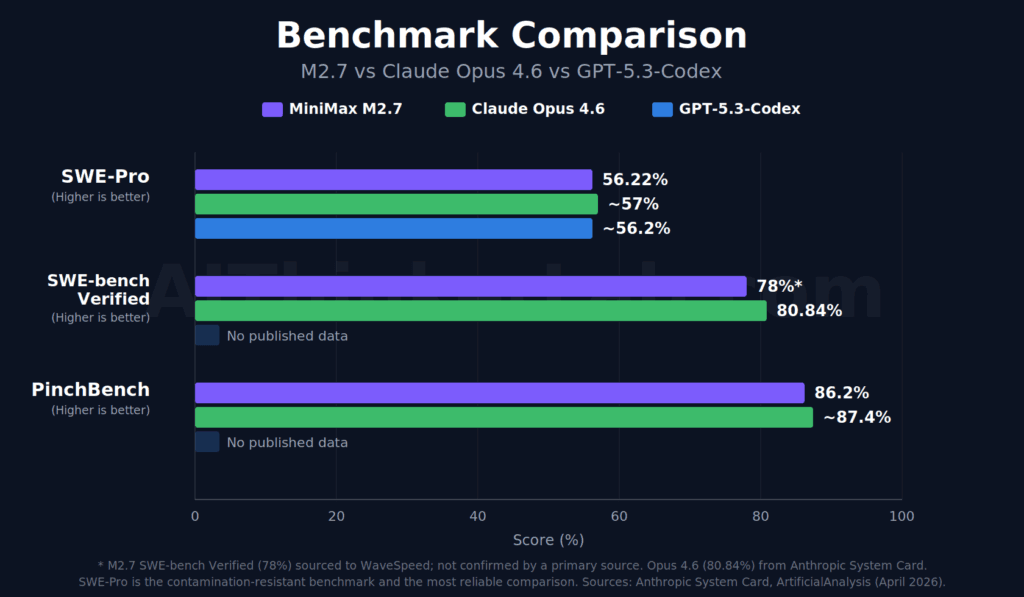
MiniMax M2.7 vs GPT-4 and Claude: The Benchmarks, the Real Costs, and Who Should Actually Use It (2026)

In an era where artificial intelligence is integrated into every facet of our lives, it’s quite astonishing to witness new models that continually push the boundaries of what machines can achieve. The latest release, Minimax M2.7, has entered the stage with promises to outshine giants like GPT-4 and Claude. While these established models have set a high bar for performance, Minimax M2.7 brings a refreshing twist by focusing on efficiency and innovation. If you’re intrigued by the rapid evolution of AI technology, then understanding how Minimax M2.7 stacks up against industry titans will be key in appreciating its groundbreaking capabilities.

A deep dive into the specifications reveals a fascinating narrative of technological superiority. Minimax M2.7 doesn’t just aim to replicate what its predecessors have achieved; it seeks to redefine expectations entirely. With AI applications becoming crucial in sectors from health to entertainment, the implications of this competition stretch far beyond mere computational prowess. This blog post unravels the intricacies of why Minimax M2.7 has become a formidable contender and potentially a game-changer in the AI landscape. Join us as we explore how this model challenges the status quo set by GPT-4 and Claude, marking a new chapter in artificial intelligence development.

MiniMax M2.7 vs GPT-4 and Claude: The Benchmarks, the Real Costs, and Who Should Actually Use It (2026) Read More ยป

White-collar workers rebelling against AI 2026

White-Collar Workers Rebelling Against AI in 2026: Survey Reveals 80% Resistance Rate and Why It’s Growing

๐Ÿ“ŒKey Takeaways Introduction The workers AI companies spent billions designing enterprise tools for are now the loudest โ€” and quietest โ€” critics of those tools. As of April 2026, 80% of white-collar workers report some form of active or passive resistance to AI systems their employers have mandated, according to research synthesized from SHRM’s 2026

White-Collar Workers Rebelling Against AI in 2026: Survey Reveals 80% Resistance Rate and Why It’s Growing Read More ยป

Malicious Claude Code downloads

Malicious Claude Code Downloads Warning 2026: 7 Proven Ways to Verify AI Tools Before Installation

In today’s rapidly evolving digital landscape, where artificial intelligence tools promise to streamline tasks and enhance productivity, the lurking threat of malicious software is more pronounced than ever. The rise of Malicious Claude Code Downloads serves as a stark reminder that not all advancements come without risks. As AI technologies proliferate, so does the ingenuity of cybercriminals who craftily disguise harmful codes within seemingly helpful applications. Tapping into the convenience offered by AI tools without adequate verification can lead to dire consequences, threatening both personal and organizational security.

Imagine investing in a revolutionary AI application only to find it compromising your data integrity or seizing your sensitive information. It’s a chilling scenario, yet increasingly common in 2026’s tech-driven world. With a flood of AI innovations constantly hitting the market, how do you ensure that what you’re downloading is safe? This blog post delves into seven proven strategies to verify AI tools before installation, equipping you with the knowledge to protect yourself against potential cyber threats. Whether you’re a tech enthusiast or someone simply looking to leverage AI for everyday tasks, understanding these essential verification techniques is crucial in safeguarding your digital environment.

Malicious Claude Code Downloads Warning 2026: 7 Proven Ways to Verify AI Tools Before Installation Read More ยป

Select your currency
USD United States (US) dollar